Why I Don’t Like Traditional Cycle Syncing
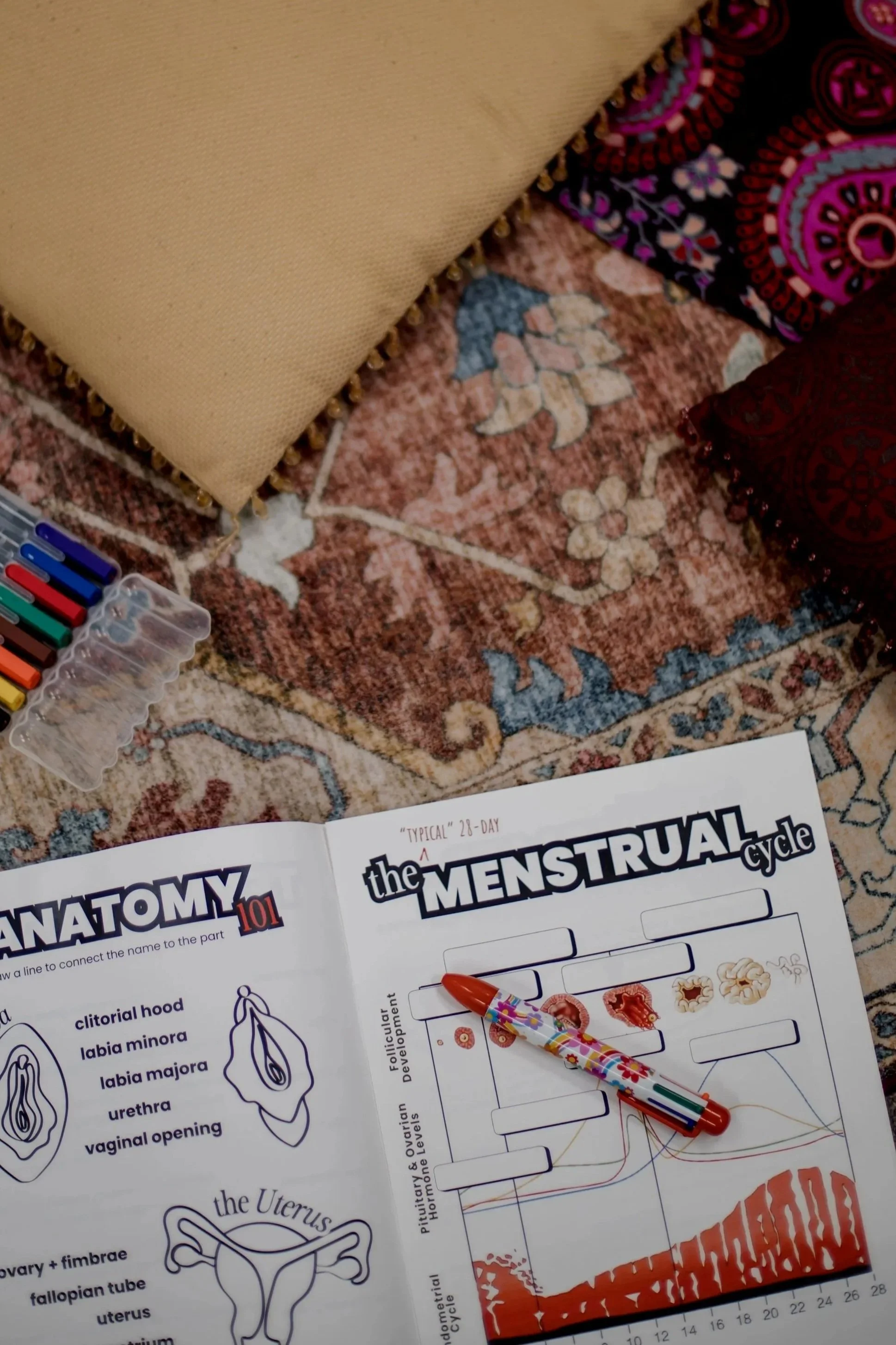
If you’re on the wellness girly side of the internet, you’ve probably heard of Cycle Syncing... For those who don’t know, cycle syncing is a process of adjusting your lifestyle to the ebbs and flows of your menstrual cycle, focusing on the strengths and limitations of each cycle phase, to optimize your life.
While, I am SO for understanding your cycle, building a relationship with yourself, your body, and empowering communities to take charge of their reproductive health, I do NOT like the whitewashed, prescriptive, capitalism-tainted form of Cycle Syncing that we often hear about online. (Strong words, I know. I’ll use a few of them as we move through this article, but please know that I too started my Cyclical Living journey with this prescriptive model. So, like, if you’re using it - there’s zero hate to that! Hopefully this article will help you to reevaluate if it’s working and if there are any ways that you can adjust to help it work better for YOU!)
OKAY, here are some reasons I find this “traditional” model of cycle syncing to be complete garbage:
ONE: Traditional cycle syncing highlights optimization and efficiency. More #girlboss than genuine empowerment.
If you take one look at the cycle syncing hashtag you will be bombarded with influencers teaching you how to bio hack your way to success in three simple tips. Sweeping generalizations about how you should start weight lifting during your luteal phase, how you should save texting back for your follicular phase, how you should connect with your “divine feminine” during menstruation.
While some information provided in these hashtags may work for some people, the underlying message is that we must optimize the tool of our body to succeed, succeed, succeed. It turns another bodily function into a metric to track to climb your way to the top of the ladder. This advice entirely skips an the invitation to look within and connect with your body’s unique and natural cues.
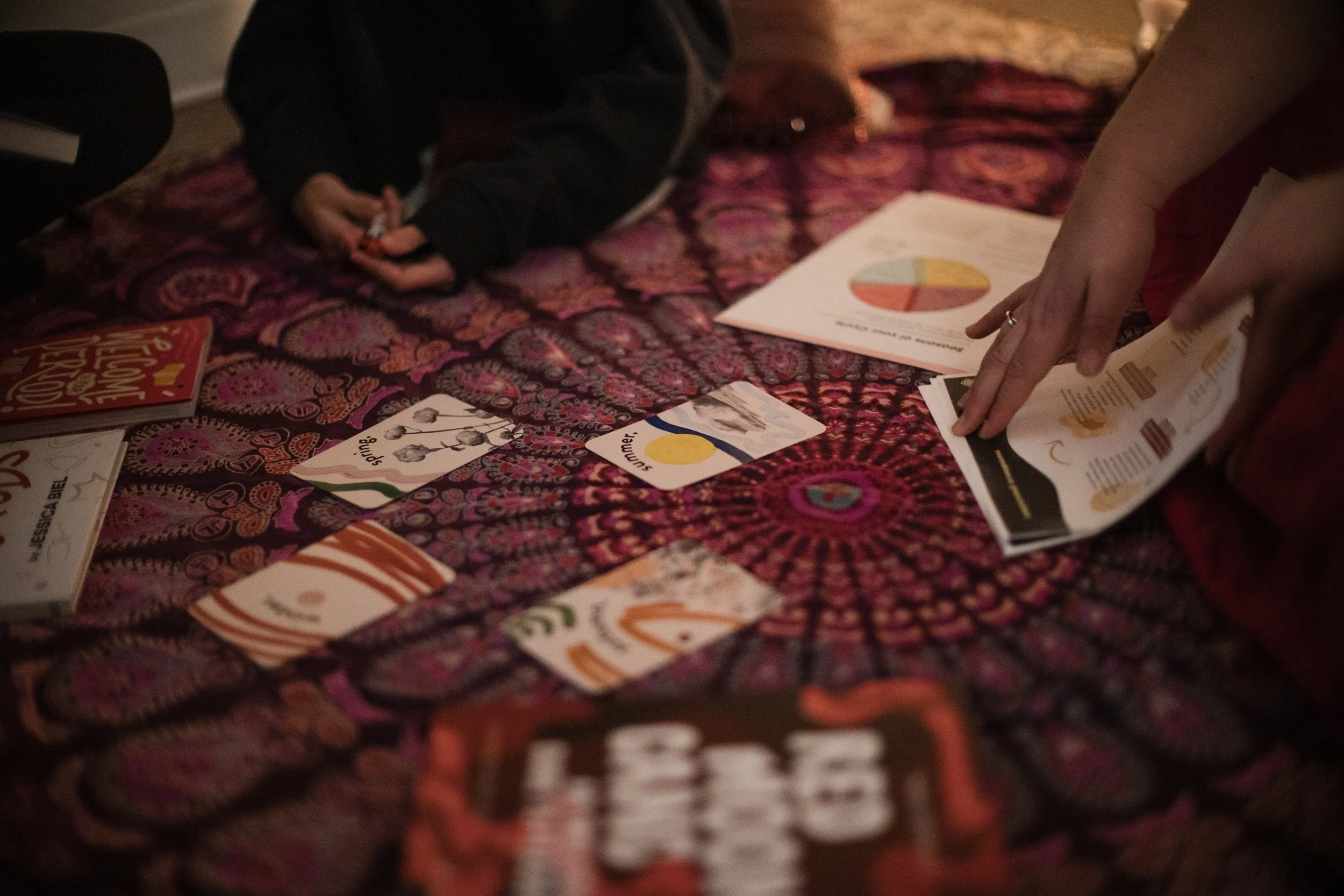
TWO: Mainstream Cycle Syncing is based on limited research based on able-bodied straight white women, erasing social determinants of health
The research we have on menstruation and the bodies of AFAB (assigned female at birth) humans is limited at best. It is only in recent years that the clitoris has been explored, or the role of the uterus in the immune system. Research is also conducted on primarily white, non-pregnant, cisgender female college participants, which narrows the demographic exponentially. This matters because many factors such as race, socioeconomic status, social determinants of health, climate, and access to medical care impact menstruation and our relationship to it.
The current model of cycle syncing is a “one size fits all” approach, prioritizing the 28 day default, and divides each phase into approximately a week long timeframe. It then generalizes expected traits for each phase, in an oversimplified manner.
Not only are folks unique and unlikely to follow a copy/paste blueprint of the menstrual experience, this method also erases a large portion of cyclers coping with chronic illness and disability. Individuals with Premenstrual Dysphoric Disorder may feel depressed and suicidal during the ovulatory phase but energetic and confident during menstruation. Cycle syncing literature may tell them to make big life decisions at their “most confident” during ovulation, and rest during menstruation, which at best is unhelpful, and at worst harmful.
Other circumstances that may not be considered are those on hormonal birth control or IUDs, people coping with food scarcity or eating disorders who may not cycle regularly, or individuals in perimenopause
THREE: Mainstream Cycle Syncing treats our bodies as algorithms to figure out rather than a relationship to foster.
Traditional cycle syncing takes a top down approach where information is provided, and then individuals apply it to their lives. While for some things this can be a useful method of learning, this method does not allow for curious inquiry into your own body. It prescribes a method of action, rather than exploring what is needed. Rather than teaching us how to notice, identify, and meet the needs of our body, it tells us what to, whether it applies or not.
How We Approach Cycle Syncing Differently at Moon & Bloom
we use a bottom-up approach that prioritizes noticing, reflecting, and intuitive responding, rather than providing a script on how your menstrual cycle should be. Over the span of three months, Heather will guide you through turning inward to help you gain a better understanding of your unique cycle patterns
Our relationship isn’t a commodity to be sold, but a relationship to be built, with one another and with yourself. What are your goals of cycle syncing? What inspires you to understand your body? This is about empowerment, not about “fixing” you. You are the most knowledgeable about your experience of life and menstruation. My job is to help you feel more confident in that.
Moon & Bloom’s program is inclusive of all identities. You won’t catch any dog whistles in this red tent. We believe anyone with a cycle is worthy of cycle syncing support.
Want to learn more about cycle syncing and your relationship to menstruation? Book a free virtual consult with Heather here.