Body Literacy is a Must, at Every Age. Here’s why.
TW: sexual violence
How much do you know about your body? Do you know what you don’t know? Many of us think we know our bodies, but the reality is the majority of us have been undereducated about our bodies, especially us vulva owning folks.
We have all heard the stories, but to emphasize my point, here are a few real life scenarios, shared with consent, about how this shows up:
A friend group of first year university women discussing tampons and diva cups, and someone asks “but how will we pee?”
An adult woman goes to see a gynaecologist about the “lump in her vagina” turns out, said lump was her cervix
A trans man searching for information on menstrual changes throughout hormone therapy because he wasn’t taught
A kid telling other kids how their baby brother “came out of mom’s butt!”
Teens telling each other that tampons make someone “lose” their virginity
Body literacy has often been politicized because the body is often policed through legislation, religion, upbringing, and culture. When we learn body literacy, we learn bodily autonomy, which, depending on your unique social location, may be controversial. (But is oh so necessary!)
Unfortunately, body literacy is often advocated against because of purity framing that deems menstruating bodies as shameful or inappropriate.
BODY LITERACY AND YOUTH
While avoiding talking about bodies has perhaps been a well meaning tactic to ensure youth do not engage in activities past their developmental maturity, it generally has the opposite impact. Take for example, the youth who is going to explore their sexuality anyway, and does not have education regarding sexual health, sexually transmitted infections, and pregnancy. The avoidance of education and language did not prevent the exploration, but it did make it more dangerous.
Body literacy is important prior to puberty as well, as a protective factor for children against sexual abuse. Knowing the ins and outs of consent (body boundaries), as well as knowing off limit body parts by name (vs an ambiguous talk about private areas) provides clarity for children. It also allows for early intervention, and less room for confusion. A child stating, “someone tried to look at my vulva” is a lot clearer of a statement than “someone tried to look at my cookie.” Body literacy is sexual violence prevention and intervention.
BODY LITERACY AND HEALTH
Body literacy is also an under appreciated form of caring for your health. In the above examples we discussed grown adults who were not educated appropriately about their bodies. This can cause barriers to menstrual hygiene, but also during other reproductive life stages like pregnancy and menopause, and in spotting and seeking care for abnormal symptoms.
Knowing the names of body parts and understanding the basics of physiological processes can help streamline your health and avoid years of missed diagnoses. When you know how to track your cycle, and you notice depressive symptoms around day 14 until your period, you might explore it and find out you experience PMDD (like I did). When you know that sex isn’t supposed to hurt, you may be more likely to bring it up to your primary care practitioner and figure out what’s going on, rather than suffering through it. When you understand hormones, you can begin to understand why your ADHD might have gotten worse in perimenopause.
Body literacy is health promotion.
BODY LITERACY AS LIBERATION
Body literacy can become a stepping stone for further advocacy. Teaching your children body literacy as consent-based education helps create a less violent world.
Teaching yourself about your body, hormones, and body processes assists you in reclaiming body autonomy and asking hard questions like “why isn’t menstrual health considered in workplaces?” “Why is reproductive health understudied?” When you know enough to spot the gaps rather than accepting society as it is, you advocate for a more equitable world.
Body literacy unlocks body joy. When we can name our body, understand our bodies, and listen to our bodies we reduce body shame, increase pleasure, and begin to know our worth.
Body Literacy is Freedom.
“So, who’s ready to learn about body literacy?”
WAYS TO INCREASE BODY LITERACY:
Practice body scans and experiencing sensation in your body. Insight timer is a great resource for somatic based mindfulness
Take a look down there! Using a handheld mirror get curious and get to learn your own parts. Check out my favorite diagrams here (link)
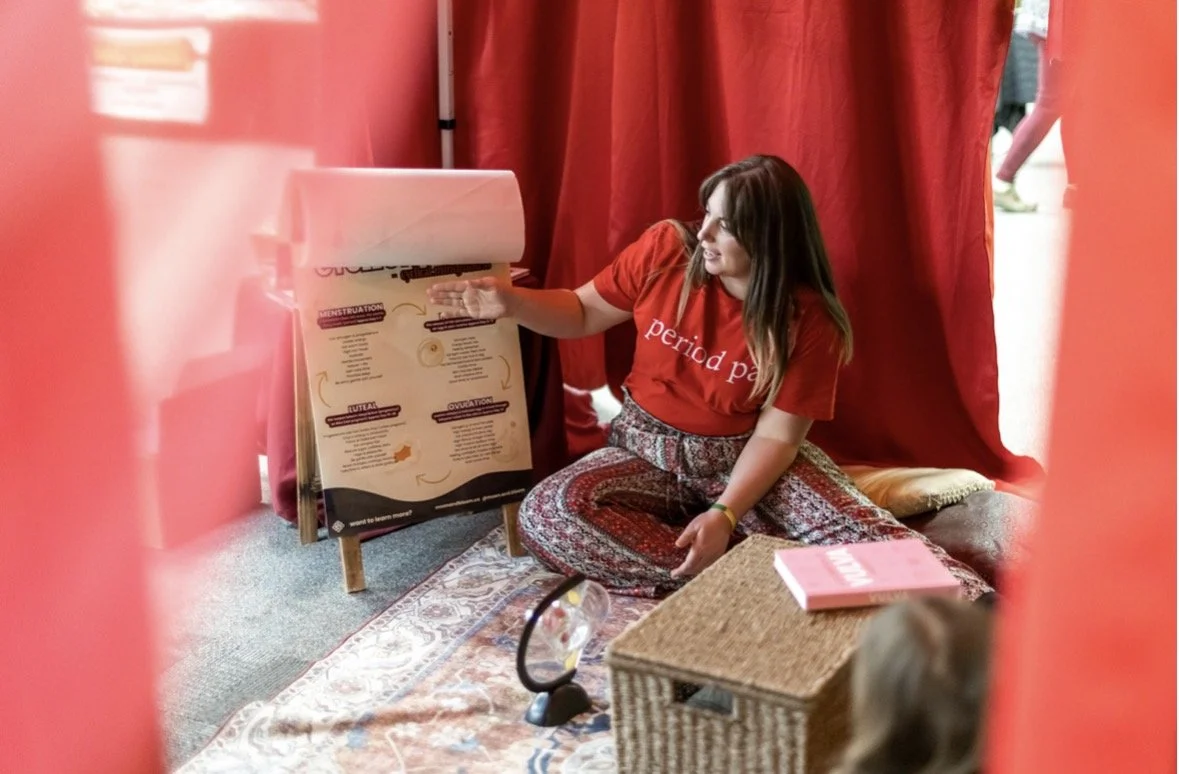
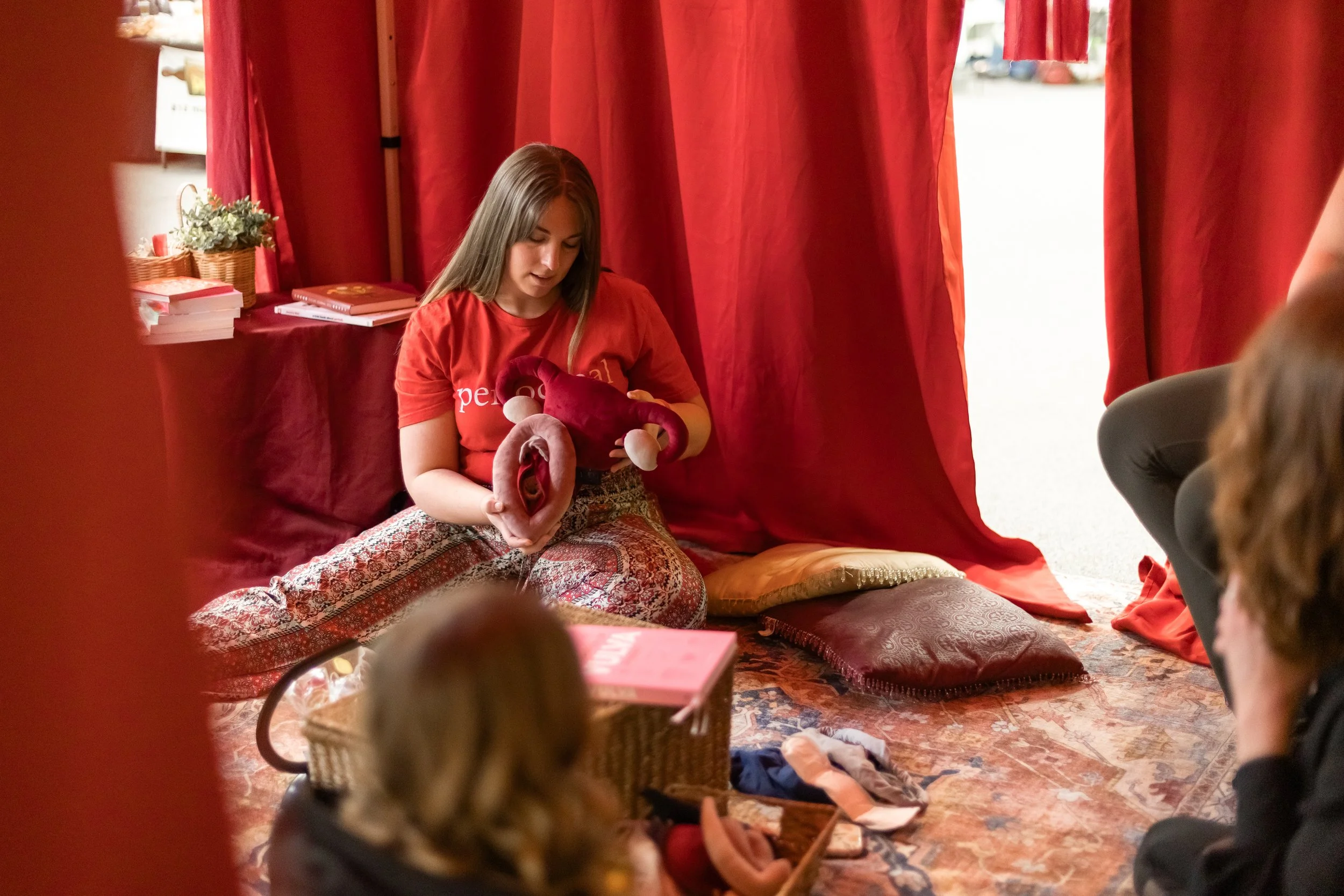
Teach your children the proper names of their anatomy. Drop by the red tent, or check out this resource: https://www.thebodyliteracyproject.org/#AUwydbbLZLWwMnuKRlhFNbUFUlKTWtmEv
Unpack body shame. When was the first time you experienced body shame? What messages were you told? What messages do you want to replace them with?
Join Heather Saturdays at the Peterborough Farmer’s Market or at Moon & Bloom for some menstrual education.
READY FOR A DEEPER CONNECTION?
Check out my offerings for 1:1 Cycle Coaching or learn about hosting a Red Tent at your next community Gathering.