
WTF is Luteinizing Hormone (LH) and why should I care about it outside of fertility?
If you've ever tracked your period or used an ovulation test (like these by Bird & Be), you might have seen the term Luteinizing Hormone (LH) pop up. But what is it, and why does it matter? Luteinizing Hormone is a common yet often overlooked hormone that plays a crucial role in your menstrual cycle and overall hormonal balance.
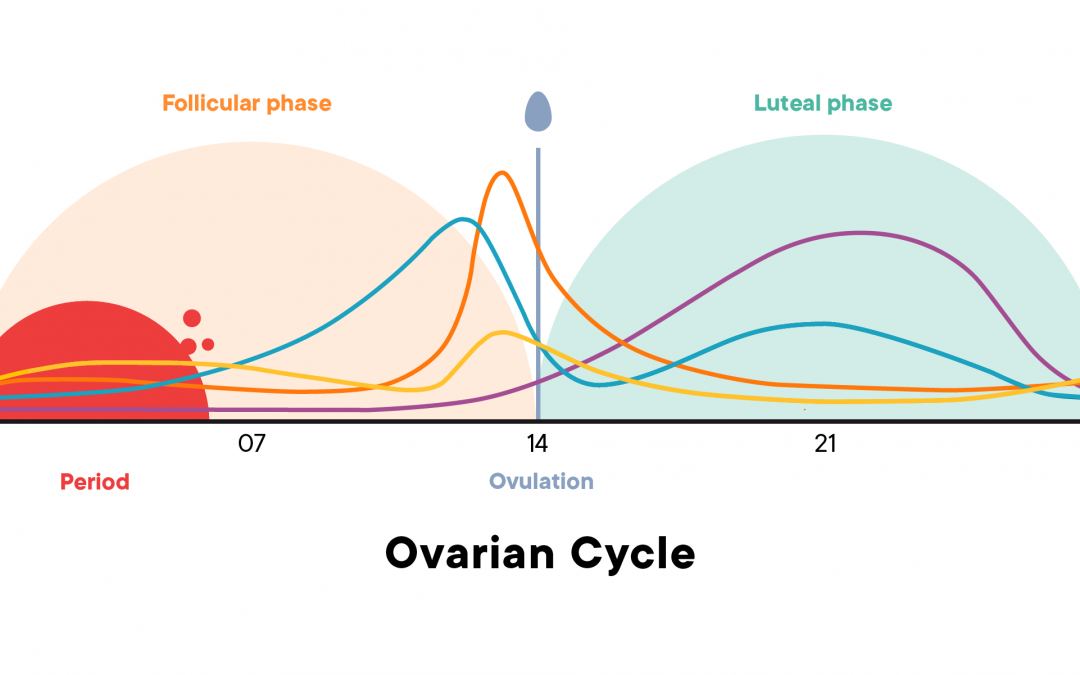
LH is a hormone produced by the anterior pituitary gland (a tiny gland in your brain that acts like your body’s control center) and its job is to track the ovaries' function. It signals your body the right time to release an egg. But LH levels are not always the same, the levels keep fluctuating throughout the month, especially in the middle of the cycle. This is known as LH surge, which triggers ovulation by releasing an egg from the ovary.
Why is LH Important?
One of the biggest jobs of LH is to help with pregnancy. LH tells your ovaries when to release an egg. This is the key moment when you can get pregnant. LH can’t tell you when you will or are ovulating, but help you figure out your ovulation window.
Supports the Second Half of Your Cycle: after ovulation, LH helps your body produce progesterone, a hormone that prepares your uterus in case a pregnancy happens.
Keeps Hormones Balanced: LH works together with another hormone called FSH to keep estrogen and progesterone levels steady, so your cycle runs smoothly.
Your body gives you signals when you're about to ovulate, and it can be so helpful to track them.
Higher sex drive: Your hormones are doing their job. You might see changes in your mood naturally around your ovulation time.

Changes in cervical mucus: Your cervical fluid becomes more clear and slippery, like raw egg whites. And that's a sign that your body is ready to ovulate.
If you're trying to conceive or prevent pregnancy, tracking multiple indicators can be beneficial. Always talk to your fertility awareness educator for guidance tailored to your needs.
If your LH levels are too high…..
It may indicate conditions like Polycystic Ovarian Syndrome (PCOS). It is when the body produces excess LH and it leads to irregular ovulation or a lack of ovulation (anovulation). High LH can also be a sign of menopause.
If your LH levels are too low…...
It can spot issues with the pituitary gland or hypothalamic dysfunction. This can cause irregular periods or absent periods and can affect your fertility.
Final thoughts
Your hormones work together like a team, and LH is one of the key players that helps your body release an egg. Whether you're trying to get pregnant or just want to understand your cycle better, knowing how LH works can help you feel more connected to your body. If you'd like to learn more, be sure to check out my other blogs.
Want to learn more about YOUR LH levels?
Check out Bird & Be’s test kits and use my code HEATHERLITSTER for 10% off at checkout or book a Cycle Coaching Session with me for personalized guidance to empowered body literacy!

